Key Steps in a Professional Septic System Installation
People searching for septic system installation are often looking to ensure proper setup, and local service providers can guide them through key steps to achieve a reliable system.
Understanding the key steps in a professional septic system installation can help property owners make informed decisions about their land and its infrastructure. Whether planning a new build, replacing an aging system, or upgrading for better performance, knowing what to expect ensures the project proceeds smoothly. Local contractors who specialize in septic system installation are equipped to handle these essential phases, from site assessment and permitting to system setup and testing, providing peace of mind for property owners seeking reliable, long-lasting solutions.
For property owners in the area, exploring this topic is practical for ensuring the health and functionality of their land. Proper installation not only supports effective waste management but also helps avoid costly issues down the line. Connecting with experienced service providers can simplify the process, ensuring each step aligns with local regulations and site conditions. Keep reading to learn more about how local experts can assist with professional septic system installation, guiding property owners through each vital stage with expertise and care.
- Site assessment and soil testing - homeowners planning a septic system installation can rely on local contractors to evaluate soil conditions and determine the best location for the system.
- Design and planning - individuals need professional input to develop an effective septic system layout that meets local regulations and site requirements.
- Permitting and approvals - property owners should work with service providers who handle the necessary permits and ensure compliance with local codes before installation begins.
- Excavation and installation - those undertaking a septic system project can have local pros properly excavate and install the tank and drain field according to the approved plans.
- System testing and inspection - after installation, local contractors can perform testing to verify the system functions correctly and meets all regulatory standards.
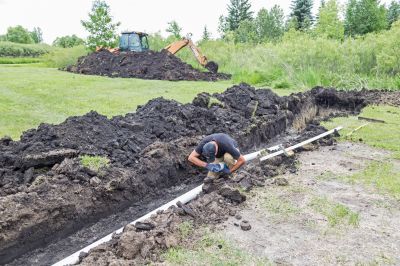
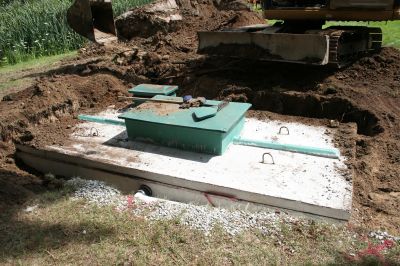
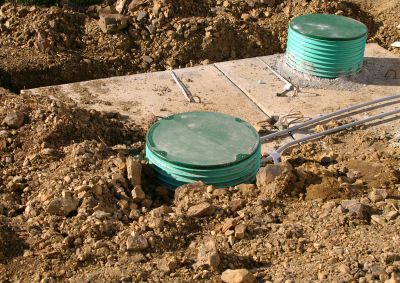
When homeowners search for information about the key steps in a professional septic system installation, they are often seeking a clear understanding of what the process entails and what to expect when working with local contractors. This topic relates to plans for installing a new septic system on properties that rely on on-site sewage treatment rather than municipal sewer connections. Common problems prompting this search include concerns about property suitability, the need for proper waste management solutions for rural or undeveloped land, or a desire to upgrade an aging or failing system. Homeowners typically want to ensure that the installation process is handled correctly, efficiently, and in compliance with local regulations, making it essential to connect with experienced service providers who can guide them through each stage.
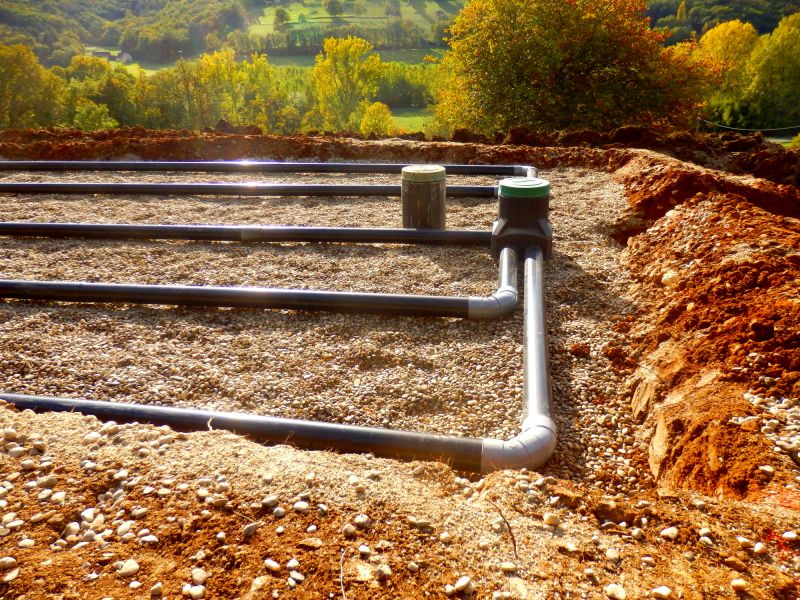
Septic system installation projects usually involve several critical phases that ensure the system functions properly and lasts over time. The process begins with site evaluation and soil testing to determine the most suitable location and system type. Once a plan is established, local contractors prepare the site by clearing and excavating the area. This is followed by the installation of the septic tank, distribution lines, and absorption area, such as a drain field or leach field. Each of these steps requires careful planning and execution to prevent future issues like system failure or environmental contamination. Homeowners should work with local service providers who understand the specific requirements of their property and can coordinate each stage smoothly.
The types of properties where septic system installation is common tend to include rural homes, properties with large land parcels, or locations where municipal sewer access is unavailable or impractical. These properties often require a custom approach because soil conditions, property size, and usage needs can vary widely. For example, a small farmstead might need a larger capacity system, while a hillside property may require special drainage considerations. Local contractors experienced in septic installation are familiar with these challenges and can recommend the appropriate system type and installation method. They also ensure that the system design aligns with local codes and environmental standards, helping homeowners avoid costly mistakes.
Understanding the key steps in a professional septic system installation helps homeowners make informed decisions and better appreciate the role of local service providers in the process. These professionals handle everything from initial site assessment to final system testing, ensuring the installation meets all technical and regulatory requirements. Working with experienced contractors provides peace of mind that the system will be installed correctly and will function as intended for years to come. For homeowners planning a new septic system, connecting with reputable local pros can simplify the process, provide expert guidance, and help ensure the project is completed efficiently and properly.
Drain field installation - this project involves planning and excavating underground systems, similar to septic system installation, requiring site assessment and heavy equipment handling by local contractors.
Soil testing and site evaluation - assessing soil conditions is a critical step in septic system installation and shares skills in analysis and planning with other underground utility projects handled by local service providers.
Drainage system upgrades - improving or replacing existing drainage infrastructure involves site assessment, excavation, and system setup, paralleling the key steps in installing a new septic system.
Water line installation - laying underground water lines requires excavation, planning, and precise placement, similar to the groundwork involved in septic system setup.
Landscape grading and excavation - site preparation for septic systems often involves grading and excavation, which are common in various landscaping and utility installation projects managed by local contractors.
Utility trenching services - trenching for electrical, gas, or communication lines shares the same planning, excavation, and safety considerations as septic system key steps.
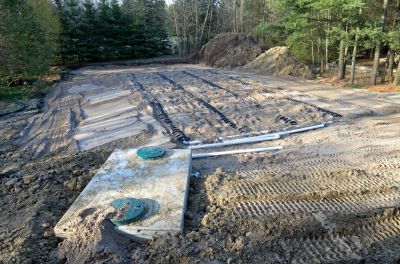
When comparing service providers for a septic system installation, it is important to consider their experience with similar projects. Local contractors who have a proven track record in installing septic systems comparable in size and complexity can often demonstrate a deeper understanding of the key steps involved. This experience can contribute to smoother project execution and help ensure that the system is installed correctly according to local regulations and best practices. Asking for details about past projects or references related to septic system installations can provide insight into their familiarity with the process and their ability to handle specific site conditions.
Clear, written expectations are essential when evaluating potential service providers. A reputable contractor should be able to communicate the key steps involved in a professional septic system installation in straightforward terms, outlining what the process entails and what the homeowner can expect at each stage. This clarity helps prevent misunderstandings and ensures that both parties are aligned on the scope of work. Service providers who provide detailed, written descriptions of the project plan and scope demonstrate professionalism and a commitment to transparency, making it easier to compare their approach and select the best fit.
Effective communication and reputable references are vital factors to consider when choosing a local contractor. Service providers who are responsive and willing to answer questions about their experience, approach, and previous projects can build confidence in their ability to manage the key steps in a professional septic system installation. Additionally, seeking references from previous clients can offer valuable insights into their reliability, quality of work, and how well they communicated throughout the project. These aspects help ensure that the chosen contractor will maintain open lines of communication and deliver a successful installation experience.
Property owners often search for key steps in a professional septic system installation when they are planning practical projects around their homes and businesses. Local pros provide Septic System Installation services for everyday jobs and straightforward project options.
Understanding the key steps in a professional septic system installation can help property owners feel more prepared as they consider this important upgrade. Many individuals in the area look up this topic to learn about what the process involves, from initial site assessment to final setup. Property owners often seek out local contractors who can handle each phase, ensuring the system is properly installed to meet their needs and local regulations. Knowing the typical steps involved helps homeowners ask informed questions and choose experienced service providers for a smooth installation experience.
For those planning a septic system, understanding the main stages-such as site evaluation, design, permitting, and installation-can clarify what to expect throughout the project. Local service providers are equipped to manage these steps efficiently, providing guidance on site suitability and system options. Property owners may look for these professionals to ensure the installation is completed correctly, avoiding potential issues down the line. Connecting with experienced local contractors can make the process straightforward and help ensure the septic system functions reliably for years to come.
What are the initial steps in a professional septic system installation? Local contractors typically begin with site assessment and soil testing to determine the best location and system type for the property.
How do professionals prepare the installation site? Service providers clear the area, mark the placement of the septic tank and drain field, and ensure proper access for equipment and future maintenance.
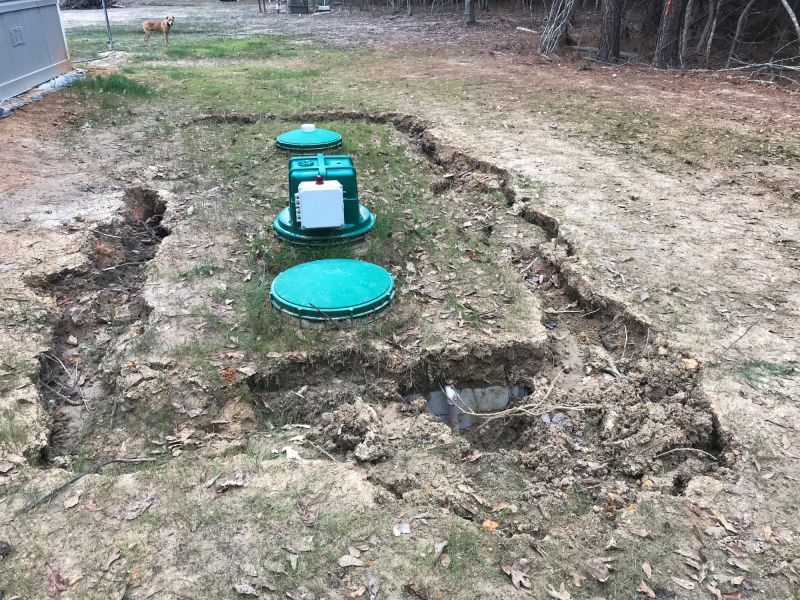
What is involved in installing the septic tank and drain field? Local pros excavate the designated areas, set the septic tank securely, and install the drain field according to the approved plan and local codes.
How do professionals ensure the system is functioning correctly? They perform inspections and tests to verify proper installation, ensuring the septic system operates efficiently and meets all standards.
What are the final steps after installation? Contractors backfill the excavated areas, restore the site’s appearance, and provide guidance on system use and maintenance.
Site evaluation and planning - property owners can work with local contractors to assess land conditions and determine the best location for the septic system before installation begins.
Design and permitting - understanding local regulations and collaborating with service providers helps ensure the septic system design meets code requirements and is approved for installation.
Excavation and installation - property owners can coordinate with local pros to prepare the site, dig trenches, and install components according to the planned design.
System testing and inspection - after installation, professionals can test the system to confirm proper operation and ensure everything is functioning safely and efficiently.
If you are thinking about key steps in a professional septic system installation for a property, this guide is meant to help you understand this topic, the typical project types, and how different options might fit your plans.
When you are ready, you can use the quote form on this page to share a few details about your project. From there, local pros can review the basics and follow up with options that match what you have in mind.